
What each sample type measures (mechanism & biology) Urine hormone testing typically measures metabolites of sex steroids (for example, estrone-3-glucuronide [E3G] is a urinary estrogen metabolite; pregnanediol glucuronide [PdG] is a progesterone metabolite) or excreted intact peptides (urinary LH or hCG) after renal filtration/conjugation, so results reflect integrated secretion over hours rather than an instantaneous serum concentration. UrinaryContinue reading “Urine vs Blood Tests for Fertility Monitoring | Best Hormone Tests for Menopause Diagnosis”
Tag Archives: Wellness
Clean Up Your Routine: A Guide to Endocrine Disruptors (EDCs)

Endocrine‑disrupting chemicals (EDCs), found in personal care and cleaning products, can affect health. Read on for practical, evidence‑informed steps to lower everyday exposure. You will find links to free tools and given science based facts (in‑text reference citations). Tip: You can use the quick “Swap Guide” at the end. Clean Living for a Healthier You:Continue reading “Clean Up Your Routine: A Guide to Endocrine Disruptors (EDCs)”
Understanding Peripheral Neuropathy: Causes and Solutions
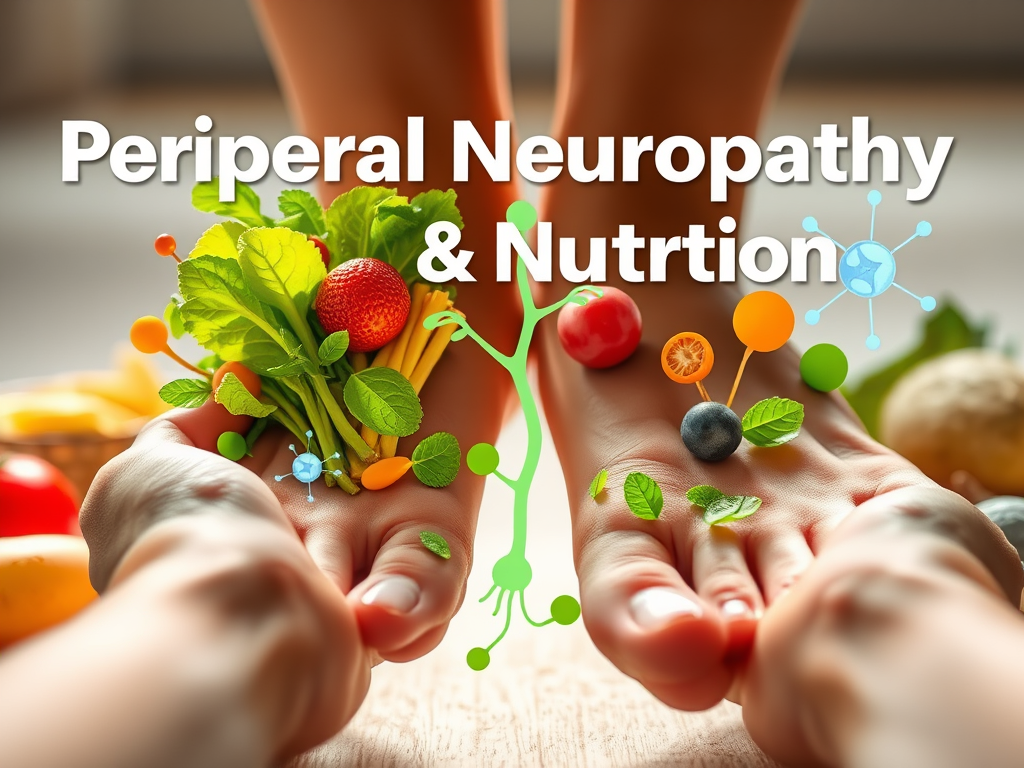
Peripheral neuropathy is damage or dysfunction of the peripheral nerves that carry signals between your brain/spinal cord and the rest of your body. Symptoms often start in the feet and hands and may include numbness, tingling, burning pain, weakness, or balance problems.
Mindset Matters: How Women Can Manage Pain

Women frequently face unique physiological challenges across their lifespan—ranging from painful menstruation, PCOS, endometriosis, pelvic pain, childbirth, hormonal imbalances, and menopause—that can significantly impact quality of life. While medical and nutritional interventions are critical, an often-overlooked tool for improving coping, resilience, and even physical pain experiences is mindset. Research shows that the way women think about their symptoms, their perceived control overContinue reading “Mindset Matters: How Women Can Manage Pain”
Managing Seizure Disorders: Nutrition and Lifestyle Solutions
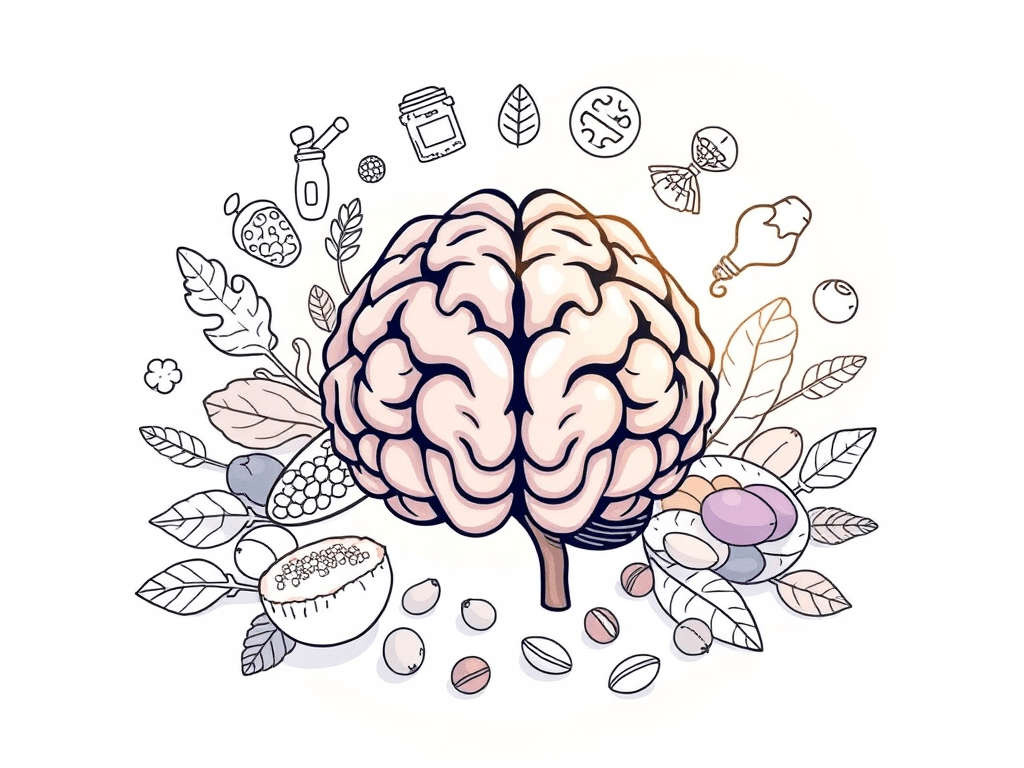
Living with a seizure disorder can be challenging, particularly when needed medications cause difficult side effects or seizures persist. Many patients are interested in complementary lifestyle and dietary approaches that may support brain health and reduce seizure risk. Research suggests that nutrition, nutraceuticals, and lifestyle changes can influence the brain’s resistance to experiencing seizures without drug-related side effects.
How Magnesium Prevents Migraines: A Nutritional Approach

A Nutrition & Lifestyle Guide for Headache Prevention Migraines can be more than just headaches—they often disrupt daily life, productivity, and emotional well-being. While medications can help, many people are turning to nutrition and lifestyle strategies to prevent migraine attacks before they start. One mineral has been getting a lot of scientific attention for itsContinue reading “How Magnesium Prevents Migraines: A Nutritional Approach”
Understanding Female Hair Loss: Causes and Impacts

Hair loss in women is not just a cosmetic concern—it often carries deep emotional and psychological impacts. Among the various types of alopecia, female-pattern hair loss (FPHL) or non-scarring alopecia is by far the most common and can begin gradually, with subtle shifts in part width or ponytail thickness that may go unnoticed until advanced.Continue reading “Understanding Female Hair Loss: Causes and Impacts”
Diet and Postpartum Depression: Key Connections

Postpartum depression (PPD) Postpartum depression (PPD) is a serious mood disorder affecting approximately one in seven women in the year following childbirth (Mughal, Azhar, & Siddiqui, 2021). Unlike the transient “baby blues,” PPD is characterized by persistent sadness, anxiety, sleep disturbances, and difficulties bonding with the infant. Its impact can extend to impairing the mother–childContinue reading “Diet and Postpartum Depression: Key Connections”
 Restorative Source