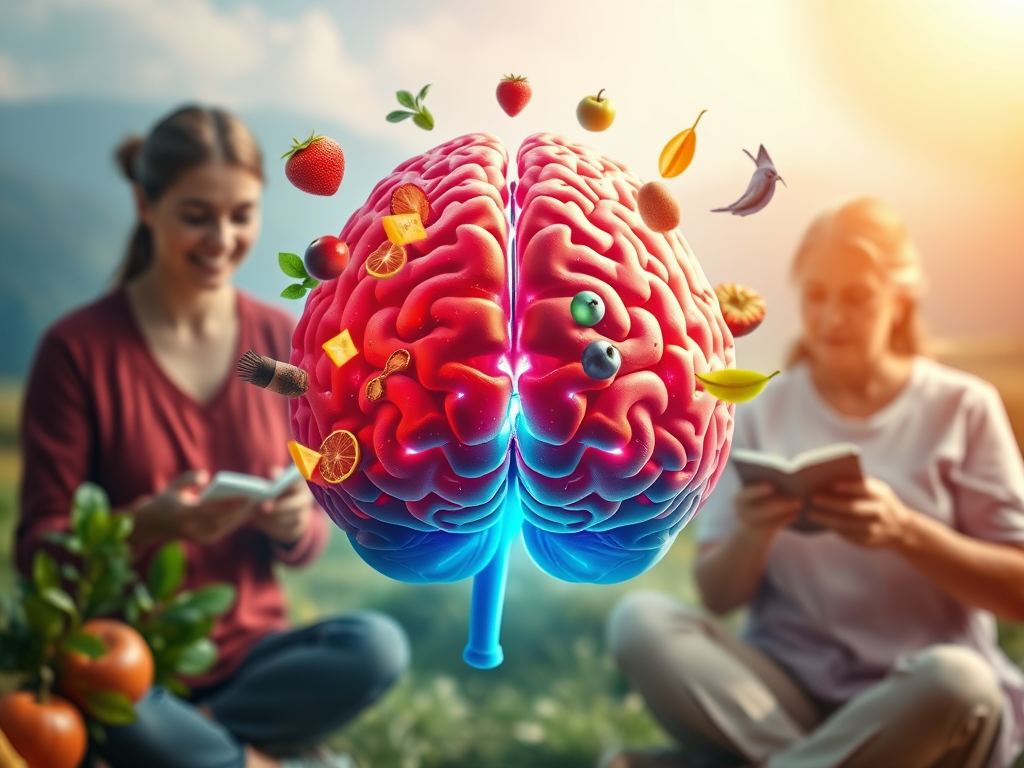
Maria’s Wake-Up Call: One Woman’s Journey to Protect Her Brain Maria had always thought of Alzheimer’s as something that “just happens” with age. But at 52, after forgetting where she parked her car for the third time in a week, she started worrying. Her doctor gently explained, “Brain changes can start decades before symptoms —Continue reading “8 Everyday Habits to Prevent Alzheimer’s Disease”
Tag Archives: nutrition
Safer Alternatives to Ketogenic Diets for Women

The ketogenic diet (KD) and its variations — including very-low-carbohydrate ketogenic diets (VLCKD), cyclical keto, and targeted keto — have gained popularity for rapid weight loss and improved metabolic markers. However, as highlighted in this blog, extended adherence to these restrictive plans can pose risks such as micronutrient deficiencies, hormonal disruption, increased LDL cholesterol, andContinue reading “Safer Alternatives to Ketogenic Diets for Women”
Understanding Peripheral Neuropathy: Causes and Solutions
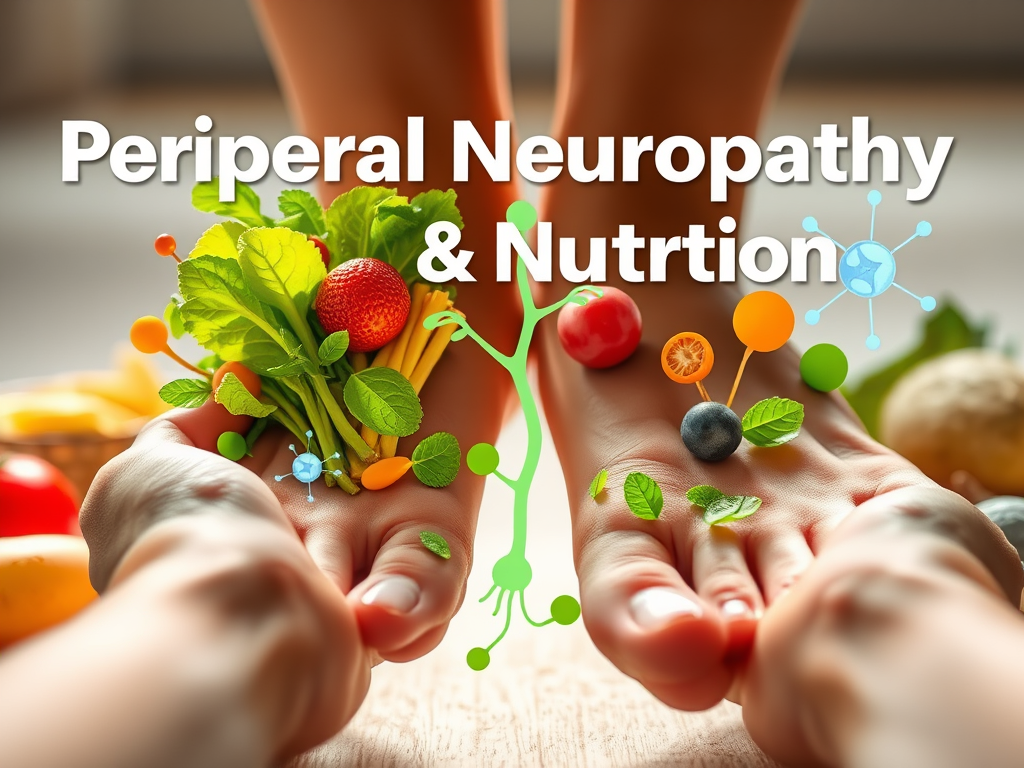
Peripheral neuropathy is damage or dysfunction of the peripheral nerves that carry signals between your brain/spinal cord and the rest of your body. Symptoms often start in the feet and hands and may include numbness, tingling, burning pain, weakness, or balance problems.
Understanding the Ketogenic Diet for Epilepsy

Note: KD should only be initiated and monitored by a clinician–dietitian team experienced in dietary therapies for epilepsy. The 3-month trial window is a general rule; in specific etiologies (e.g., Glut1DS), KD is a first-line, long-term therapy. Ask your neurologist if KD is appropriate for your situation. The Ketogenic Diet and Epilepsy: A Clinical Tool with Real-LifeContinue reading “Understanding the Ketogenic Diet for Epilepsy”
Managing Seizure Disorders: Nutrition and Lifestyle Solutions
Living with a seizure disorder can be challenging, particularly when needed medications cause difficult side effects or seizures persist. Many patients are interested in complementary lifestyle and dietary approaches that may support brain health and reduce seizure risk. Research suggests that nutrition, nutraceuticals, and lifestyle changes can influence the brain’s resistance to experiencing seizures without drug-related side effects.
How Magnesium Prevents Migraines: A Nutritional Approach

A Nutrition & Lifestyle Guide for Headache Prevention Migraines can be more than just headaches—they often disrupt daily life, productivity, and emotional well-being. While medications can help, many people are turning to nutrition and lifestyle strategies to prevent migraine attacks before they start. One mineral has been getting a lot of scientific attention for itsContinue reading “How Magnesium Prevents Migraines: A Nutritional Approach”
Hair Loss Around Pregnancy: Causes and Natural Solutions That Work

Hair loss during and after pregnancy is common, but it’s not always talked about. From thick, lush pregnancy hair to unexpected postpartum shedding, many women feel confused or blindsided by the changes in their hair. But the causes are grounded in science, and thankfully, so are the solutions. Why Does Hair Loss Happen Around Pregnancy?Continue reading “Hair Loss Around Pregnancy: Causes and Natural Solutions That Work”
Understanding Female Hair Loss: Causes and Impacts

Hair loss in women is not just a cosmetic concern—it often carries deep emotional and psychological impacts. Among the various types of alopecia, female-pattern hair loss (FPHL) or non-scarring alopecia is by far the most common and can begin gradually, with subtle shifts in part width or ponytail thickness that may go unnoticed until advanced.Continue reading “Understanding Female Hair Loss: Causes and Impacts”
 Restorative Source