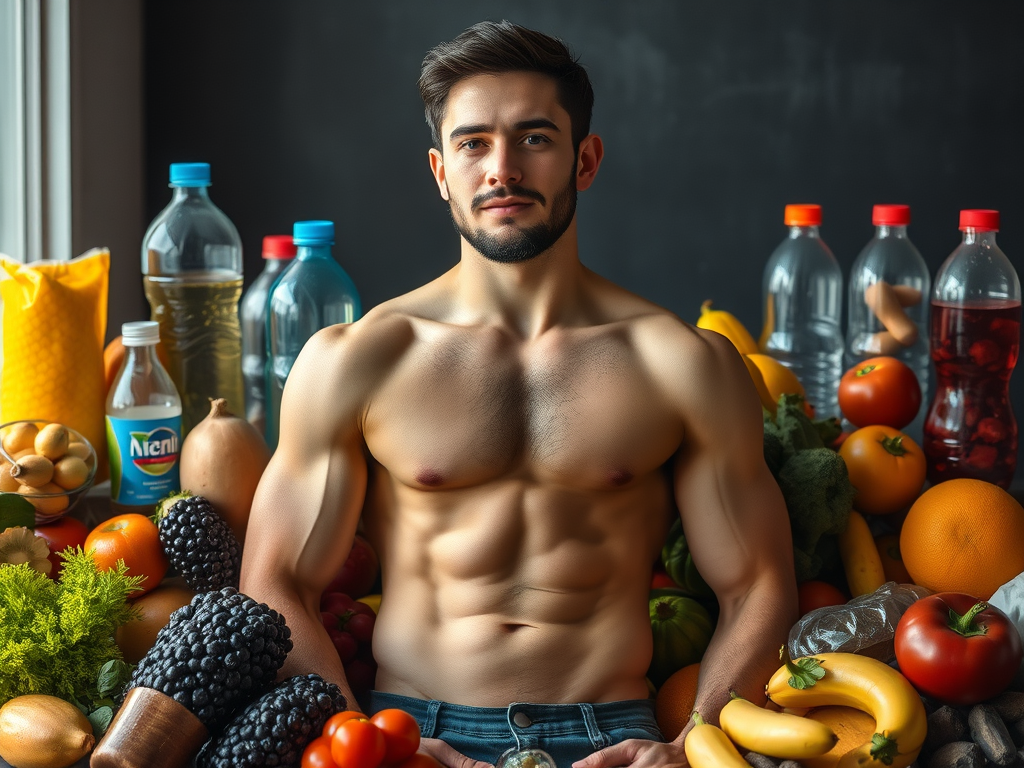
Environmental Toxins, Oxidative Stress, and Male Fertility: A Functional Guide to Protection and Recovery
Modern environmental exposures (ranging from industrial pollutants to food additives and endocrine-disrupting chemicals) are increasingly recognized as contributors to male infertility. A central mechanism linking these exposures to impaired reproductive health is oxidative stress, a condition in which reactive oxygen species (ROS) overwhelm the body’s antioxidant defenses, leading to damage of sperm DNA, membranes, and mitochondrial function.
Environmental Toxins and Oxidative Burden
Men today are exposed to a wide range of environmental toxicants that can impair fertility. Persistent chemicals such as per- and polyfluoroalkyl substances (PFAS) have been detected in human populations and are associated with metabolic disturbances, reflecting their bioaccumulative and endocrine-disrupting nature (Jensen et al., 2025). Similarly, exposure to bisphenols—commonly found in plastics and food packaging—can occur through everyday dietary habits, such as consuming beverages from cans or plastic bottles, and has measurable physiological effects (Plachetka et al., 2025).
Dietary additives may also contribute to metabolic dysregulation. For example, propionic acid, a common food preservative, has been shown to acutely alter glucose metabolism in humans, suggesting that processed food exposure can influence systemic physiology (Adler et al., 2021). Additionally, air pollution remains a significant oxidative stressor; however, interventions that reduce particulate exposure, such as indoor air purification, have been shown to improve cardiovascular and physiological markers, indicating the reversibility of some environmental effects (Xia et al., 2023; Xu et al., 2024).
Importantly, lifestyle interventions can mitigate these exposures. In men living in highly polluted environments, structured lifestyle changes—including improved diet and physical activity—significantly improved semen quality, highlighting the powerful role of modifiable behaviors (Montano et al., 2022).
Oxidative Stress and Male Fertility
Sperm cells are particularly vulnerable to oxidative damage due to their high polyunsaturated fatty acid content and limited intrinsic antioxidant defenses. Elevated oxidative stress can lead to impaired motility, DNA fragmentation, and reduced fertilization capacity.
Clinical trials consistently demonstrate that antioxidant therapies can improve sperm parameters and reduce oxidative damage. Antioxidant treatment has been shown to improve semen quality in men with conditions such as varicocele and oligoasthenoteratozoospermia (Busetto et al., 2024). Similarly, targeted antioxidant interventions have been associated with improved DNA integrity and chromatin quality, key determinants of fertility outcomes (Sengul et al., 2024).
However, results are not universally consistent, as some large trials have found no direct relationship between circulating antioxidant levels and semen parameters (Knudtson et al., 2021). This suggests that individualized, multifactorial approaches—combining nutrition, lifestyle, and targeted supplementation—are likely more effective than isolated interventions.
Evidence-Based Supplement Strategies
Targeted supplementation can help restore redox balance, improve mitochondrial function, and enhance sperm quality. The following supplements have demonstrated benefits in clinical studies:
Core Antioxidants
- Vitamin E (200–400 IU/day)
Improves sperm parameters and reduces oxidative damage, particularly in men with varicocele (Saeedian et al., 2025; Sabeti et al., 2021). - Vitamin D (1,000–4,000 IU/day depending on status)
Associated with improved reproductive hormones and semen parameters (Dialameh et al., 2023). - Zinc (10–30 mg/day)
Supports sperm DNA integrity and methylation processes (Jenkins et al., 2022). - Selenium (100–200 mcg/day)
Works synergistically with vitamin E to reduce oxidative stress and improve sperm quality (Sabeti et al., 2021).
Mitochondrial and Cellular Support
- Coenzyme Q10 (Ubiquinol, ~200 mg/day)
Improves sperm motility and mitochondrial function (GamalEl Din et al., 2025). - Alpha-lipoic acid (300–600 mg/day)
Enhances sperm function and reduces oxidative stress markers (Hodeeb et al., 2023). - D-aspartic acid (≈2,660 mg/day)
May support testosterone and improve semen parameters (GamalEl Din et al., 2025).
Fatty Acids and Microbiome Support
- Omega-3 fatty acids (1–2 g/day EPA/DHA)
Improve reproductive health indices and reduce oxidative stress (Mohammadi et al., 2022). - Probiotics (multi-strain formulations)
Improve sperm parameters, reduce oxidative stress, and modulate inflammation; in some cases outperform antioxidant supplementation alone (Helli et al., 2022; Gholipour et al., 2026).
Comprehensive Antioxidant Approaches
Combination antioxidant therapies have been shown to improve fertility outcomes and increase the likelihood of conception in men seeking fertility care (de Ligny et al., 2025).
Fertility-Supportive Nutrition
Dietary patterns rich in antioxidants, nitric oxide precursors, and anti-inflammatory compounds can significantly support male fertility.
A clinical study demonstrated that a combination of beetroot, watermelon, and ginger juice improved outcomes in assisted reproduction cycles, suggesting enhanced vascular function, antioxidant status, and reproductive potential (Halpern et al., 2023).
Key Functional Foods
- Beetroot: Rich in nitrates that enhance blood flow and mitochondrial efficiency
- Watermelon: Source of citrulline, supporting nitric oxide production
- Ginger: Anti-inflammatory and antioxidant properties
- Fruits and vegetables: Provide polyphenols and vitamins that support redox balance
Reducing exposure to processed foods and food additives is equally important, as dietary chemicals may contribute to metabolic and oxidative stress (Adler et al., 2021).
Lifestyle Interventions for Reducing Oxidative Stress
1. Reduce Environmental Exposure
- Use air purifiers to decrease particulate matter exposure, improving physiological outcomes (Xia et al., 2023; Xu et al., 2024)
- Limit use of plastic containers and canned beverages to reduce bisphenol exposure (Plachetka et al., 2025)
2. Physical Activity and Movement
Regular exercise improves metabolic health and may reduce toxic burden. Lifestyle interventions in polluted environments have been shown to improve semen quality (Montano et al., 2022).
Mind-body practices such as yoga can further enhance mitochondrial function and reduce inflammation, supporting overall cellular health (Gautam et al., 2021).
3. Sleep and Recovery
Although often overlooked, sleep plays a critical role in regulating oxidative stress and hormonal balance. Adequate sleep supports mitochondrial repair, endocrine function, and antioxidant systems, making it foundational for reproductive health.
4. Weight and Metabolic Health
Maintaining a healthy weight and metabolic profile is essential, as oxidative stress is closely linked to metabolic dysfunction, which can impair fertility outcomes (Busetto et al., 2024).
Putting It All Together
Male fertility is highly sensitive to environmental exposures and oxidative stress. However, the evidence is clear: targeted nutrition, supplementation, and lifestyle interventions can meaningfully improve reproductive outcomes. A comprehensive strategy should include:
- Reducing toxin exposure (air, plastics, processed foods)
- Increasing antioxidant-rich, whole-food nutrition
- Supporting mitochondrial health with targeted supplements
- Engaging in regular exercise and stress-reduction practices
- Prioritizing sleep and recovery
By addressing oxidative stress at multiple levels, men can improve not only fertility outcomes but also overall long-term health.
References
Adler, G. K., Hornik, E. S., Murray, G., Bhandari, S., Yadav, Y., Heydarpour, M., Basu, R., Garg, R., & Tirosh, A. (2021). Acute effects of the food preservative propionic acid on glucose metabolism in humans. BMJ Open Diabetes Research & Care, 9(1), e002336. https://doi.org/10.1136/bmjdrc-2021-002336
Busetto, G. M., Rodrigues, B. F., Virmani, A., Checchia, A., Ninivaggi, A., Ricapito, A., Barbieri, G., Fischetti, P., Falagario, U. G., Annese, P., d’Altilia, N., Mancini, V., Ferro, M., Crocetto, F., Porreca, A., Bettocchi, C., Cormio, L., Agarwal, A., & Carrieri, G. (2024). Antioxidant treatment for oligoasthenoteratozoospermia and varicocele: A DBPC trial to evaluate the impact of age and body mass index. Asian Journal of Andrology, 26(3), 239–244. https://doi.org/10.4103/aja202381
de Ligny, W. R., de Bruin, J. P., Smits, R. M., Goovaerts, I. G. F., Peeters, K., Nap, A. W., Boxmeer, J. C., Donker, R. B., Schoonenberg, M., Koks, C. A. M., van Rumste, M. M. E., Visser, J., Gielen, S. C. J. P., Boomsma, C. M., Smeenk, J. M. J., van Oppenraaij, R. H. F., Cox, T., Janse, F., Muller, L. T., Brink-van der Vlugt, J. J., … Fleischer, K. (2025). Antioxidant treatment and the chance to conceive in men seeking fertility care: The SUMMER randomized clinical trial. JAMA Network Open, 8(9), e2532405. https://doi.org/10.1001/jamanetworkopen.2025.32405
Dialameh, H., Nikoobakht, M., Menbari Oskouie, I., Rahimdoost, N., Nazarpour, M. J., Mousavi, S. H., Lotfi, M., Esmaeilpanah, S., & Inanloo, H. (2023). Assessment of the relationship between vitamin D with semen analysis parameters and reproductive hormones levels before and after kidney transplantation: An Iranian randomized and double-blinded study. Urologia, 90(2), 272–277. https://doi.org/10.1177/03915603231162394
GamalEl Din, S. F., A. M., E., Elkhiat, Y., Hussein, T., AbdElSalam, M. A., Alam, A., Ramzy, D., Moatamed, I., Zeidan, A., Elahwany, A., Ragab, M. W., Zahran, O., & Saad, H. (2025). Evaluation of in vivo supplementation of 2660 mg D-aspartic acid and 200 mg ubiquinol and 10 mg zinc on different semen parameters in idiopathic male infertility: A randomized double blind placebo controlled study. Archivio Italiano di Urologia, Andrologia, 97(2), 13554. https://doi.org/10.4081/aiua.2025.13554
Gautam, S., Kumar, U., Kumar, M., Rana, D., & Dada, R. (2021). Yoga improves mitochondrial health and reduces severity of autoimmune inflammatory arthritis: A randomized controlled trial. Mitochondrion, 58, 147–159. https://doi.org/10.1016/j.mito.2021.03.004
Gholipour, F., Gharakhani, D., Rahavian, A., Norouzi, M., Hajian, M., Vahidi, S., Nazarpour, M. J., & Khorrami, F. (2026). Probiotics outperform antioxidants in improving semen parameters of men with idiopathic oligoasthenoteratozoospermia: A randomized controlled trial. Iranian Journal of Medical Sciences, 51(1), 39–46. https://doi.org/10.30476/ijms.2025.105150.3888
Halpern, G., Braga, D. P. A. F., Morishima, C., Setti, A. S., Setti, A. I., Jr, & Borges, E., Jr. (2023). Beetroot, watermelon and ginger juice supplementation may increase the clinical outcomes of intracytoplasmic sperm injection cycles. JBRA Assisted Reproduction, 27(3), 490–495. https://doi.org/10.5935/1518-0557.20230012
Helli, B., Kavianpour, M., Ghaedi, E., Dadfar, M., & Haghighian, H. K. (2022). Probiotic effects on sperm parameters, oxidative stress index, inflammatory factors and sex hormones in infertile men. Human Fertility, 25(3), 499–507. https://doi.org/10.1080/14647273.2020.1824080
Hodeeb, Y. M., El-Rewiny, E. M., Gaafar, A. M., Zayed, A. N., Hasan, M. S., & Elsaie, M. L. (2023). The effect of alpha lipoic acid supplementation on sperm functions in idiopathic asthenozoospermic patients: A case-controlled study. Human Fertility, 26(5), 949–957. https://doi.org/10.1080/14647273.2021.2025271
Jenkins, T., Aston, K., Carrell, D., DeVilbiss, E., Sjaarda, L., Perkins, N., Mills, J. L., Chen, Z., Sparks, A., Clemons, T., Chaney, K., Peterson, C. M., Emery, B., Hotaling, J., Johnstone, E., Schisterman, E., & Mumford, S. L. (2022). The impact of zinc and folic acid supplementation on sperm DNA methylation: Results from the FAZST randomized clinical trial. Fertility and Sterility, 117(1), 75–85. https://doi.org/10.1016/j.fertnstert.2021.09.009
Jensen, I. K. B., Budtz-Jørgensen, E., Lindh, C., Roland, C. B., de Place Knudsen, S., Bendix, J. M., Molsted, S., Clausen, T. D., Stallknecht, B., Mortensen, O. H., Løkkegaard, E., & Knudsen, L. E. (2025). Serum concentrations of per- and poly-fluoroalkyl substances (PFAS) in Danish pregnant women—temporal trends during pregnancy, correlations with partners, associations with physical activity, and blood lipid concentrations. Environmental Health, 24(1), 16. https://doi.org/10.1186/s12940-025-01170-x
Knudtson, J. F., Sun, F., Coward, R. M., Hansen, K. R., Barnhart, K. T., Smith, J., Legro, R. S., Diamond, M. P., Krawetz, S. A., Zhang, H., Usadi, R., Baker, V. L., Santoro, N., & Steiner, A. Z. (2021). The relationship of plasma antioxidant levels to semen parameters: The MOXI randomized clinical trial. Journal of Assisted Reproduction and Genetics, 38(11), 3005–3013. https://doi.org/10.1007/s10815-021-02301-2
Mohammadi, H., Golbabaei, F., Dehghan, S. F., Imani, H., Ramezani Tehrani, F., & Khodakarim Ardakani, S. (2022). The influence of vitamin E and omega-3 fatty acids on reproductive health indices among male workers exposed to electromagnetic fields. American Journal of Men’s Health, 16(1), 15579883221074821. https://doi.org/10.1177/15579883221074821
Montano, L., Ceretti, E., Donato, F., Bergamo, P., Zani, C., Viola, G. C. V., Notari, T., Pappalardo, S., Zani, D., Ubaldi, S., Bollati, V., Consales, C., Leter, G., Trifuoggi, M., Amoresano, A., Lorenzetti, S., & FASt study group. (2022). Effects of a lifestyle change intervention on semen quality in healthy young men living in highly polluted areas in Italy: The FASt randomized controlled trial. European Urology Focus, 8(1), 351–359. https://doi.org/10.1016/j.euf.2021.01.017
Plachetka, L., Stanislas, V., Bauer, A., Göen, T., Denghel, H., & Michels, K. B. (2025). Urinary bisphenol levels and blood pressure after soda consumption from cans, PET and glass bottles. Scientific Reports, 15(1), 32477. https://doi.org/10.1038/s41598-025-18459-z
Sabeti, P., Pourmasumi, S., & Fagheirelahee, N. (2021). Effect of selenium and vitamin E on the level of sperm HSPA2+, intracellular superoxide anion and chromatin integrity in idiopathic asthenoteratozoospermia: A double-blind, randomized, placebo-controlled trial. Urology Journal, 18(5), 549–555. https://doi.org/10.22037/uj.v18i.6325
Saeedian, K., Davaryar, S., Emadzadeh, M., & Rezayat, A. A. (2025). The impact of vitamin E supplementation on sperm analysis in varicocelectomy patients: A triple-blind randomized controlled trial. Trials, 26(1), 36. https://doi.org/10.1186/s13063-025-08740-x
Sengul, M., Hekim, N., Asci, R., & Gunes, S. (2024). The impact of antioxidants on antioxidant capacity, DNA fragmentation, and chromatin quality in subfertile men: A randomized clinical trial study. Revista da Associação Médica Brasileira, 70(10), e20240211. https://doi.org/10.1590/1806-9282.20240211
Xia, X., Niu, X., Chan, K., Xu, H., Shen, Z., Cao, J. J., Wu, S., Qiu, H., & Ho, K. F. (2023). Effects of indoor air purification intervention on blood pressure, blood-oxygen saturation, and heart rate variability: A double-blinded cross-over randomized controlled trial of healthy young adults. Science of the Total Environment, 874, 162516. https://doi.org/10.1016/j.scitotenv.2023.162516
Xu, J., Zhao, H., Zhang, Y., Yang, W., Wang, X., Geng, C., Li, Y., Guo, Y., Han, B., Bai, Z., Vedal, S., & Marshall, J. D. (2024). Reducing indoor particulate air pollution improves student test scores: A randomized double-blind crossover study. Environmental Science & Technology, 58(19), 8207–8214. https://doi.org/10.1021/acs.est.3c10372
 Restorative Source