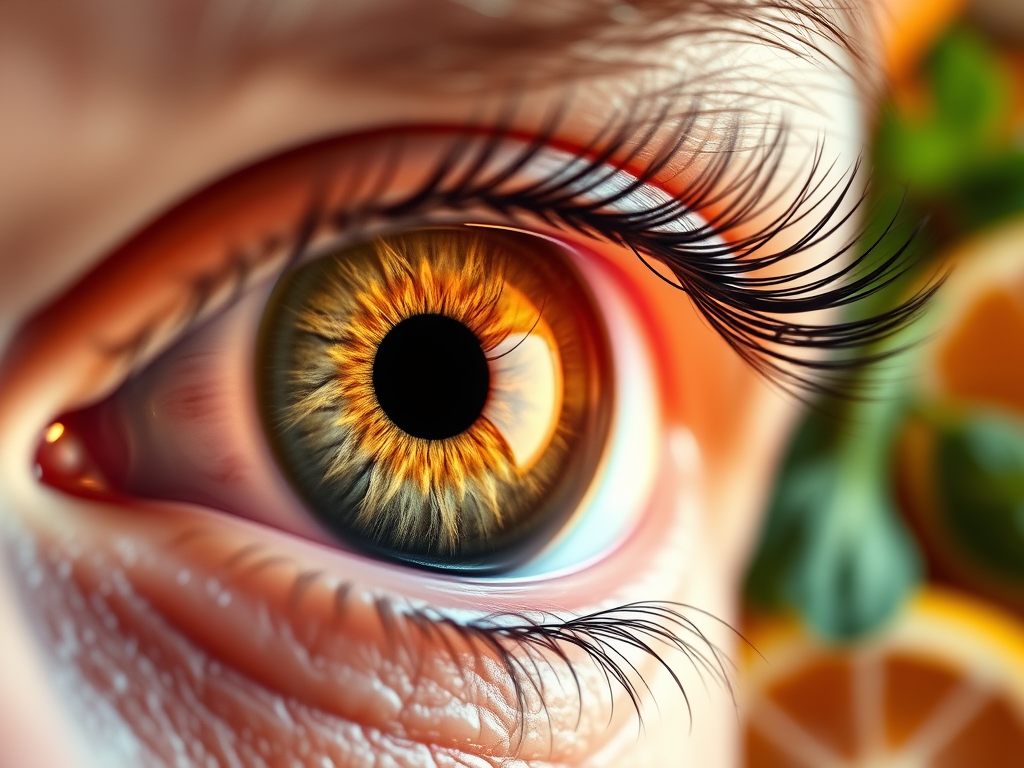
Macular Degeneration
A common physical finding in age-related macular degeneration (AMD) is the presence of drusen—yellow lipid-protein deposits that accumulate beneath the retinal pigment epithelium. Drusen formation disrupts photoreceptor function and leads to gradual central vision loss (Amini et al., 2023). Another hallmark finding is retinal pigment epithelial (RPE) atrophy, resulting in patchy or confluent areas of hypopigmentation in the macula. These are clinically visible during fundoscopic examination and represent oxidative and inflammatory retinal damage (Evans & Lawrenson, 2023).
An uncommon but clinically significant physical finding is subretinal neovascularization, which characterizes “wet” AMD. This involves abnormal blood vessel growth from the choroid into the subretinal space, leading to hemorrhage, exudation, and rapid vision loss (Amini et al., 2023; Colijn et al., 2021). Though less frequent than the dry form, it reflects an advanced oxidative-inflammatory stage and endothelial dysfunction influenced by genetic, nutritional, and environmental factors.
Integrative and Functional Nutrition Interpretation
From a functional nutrition perspective, AMD represents a chronic neurodegenerative process driven by oxidative stress, inflammation, mitochondrial decline, and nutrient insufficiency. The retina, with its high metabolic rate and exposure to light-induced oxidative damage, is particularly vulnerable to reactive oxygen species (Mrowicka et al., 2022). Inadequate intake of antioxidants such as lutein, zeaxanthin, vitamin C, vitamin E, zinc, and omega-3 fatty acids exacerbates this oxidative burden (Agrón et al., 2021; Evans & Lawrenson, 2023).
The AREDS and AREDS2 trials identified a synergistic nutrient pattern that slows AMD progression—specifically, high intake of vitamin C (500 mg), vitamin E (400 IU), zinc (80 mg), copper (2 mg), lutein (10 mg), and zeaxanthin (2 mg)(Agrón et al., 2021; Pameijer et al., 2022). These nutrients stabilize photoreceptor membranes, reduce oxidative stress, and suppress complement-mediated inflammation in the retinal pigment epithelium.
Emerging evidence connects AMD to gut microbiome imbalance, implicating dysbiosis in systemic inflammation, retinal microglial activation, and altered carotenoid bioavailability (Zysset-Burri et al., 2023). A compromised gut barrier allows endotoxins (LPS) to trigger neuroinflammation via the gut–retina axis. Functional strategies therefore emphasize gut repair and microbial diversity to reduce systemic oxidative load.
Vitamin D deficiency is another integrative target. It modulates both immune and vascular homeostasis, and low serum 25(OH)D levels are associated with higher AMD prevalence and severity (Chan et al., 2022). Restoring vitamin D status through diet and safe sun exposure can improve retinal perfusion and reduce angiogenic signaling.
Cultural and Socioeconomic Influences
Cultural and socioeconomic determinants shape AMD risk and management outcomes. Traditional Western diets—often high in refined carbohydrates, saturated fats, and low in carotenoid-rich produce—exacerbate oxidative retinal injury (Šalková Kráľová et al., 2023; Edo et al., 2021). In contrast, Mediterranean-style diets emphasizing olive oil, fish, leafy greens, and colorful vegetables provide antioxidants and essential fatty acids that protect against AMD progression (Saigal et al., 2025).
However, food insecurity, geographic isolation, and healthcare disparities limit access to nutrient-dense foods and preventive eye care, especially in rural or low-income populations. These barriers contribute to delayed diagnosis and poor adherence to AREDS2-based supplementation (Dave et al., 2022). Moreover, cultural norms may influence food selection—such as low vegetable intake or minimal seafood consumption—which impacts carotenoid and omega-3 availability.
Socioeconomic factors also determine exposure to environmental triggers, such as blue light from digital devices and tobacco use, both of which accelerate macular oxidative stress (Cougnard-Gregoire et al., 2023; Kráľová et al., 2024). Public health interventions that address both nutritional education and accessibility are therefore essential for AMD prevention.
Connect to Nervous and Endocrine System Stress Patterns
The retina is neurologically and hormonally sensitive tissue, reflecting the interplay between nervous system and endocrine stress responses. Chronic stress and elevated cortisol disrupt mitochondrial function, increase oxidative radicals, and impair blood-retinal barrier integrity (Amini et al., 2023). The retina, being an extension of the central nervous system, shares vulnerability to neuroinflammation and microglial activation associated with neurodegenerative disorders (Mrowicka et al., 2022).
Endocrine dysregulation—especially involving melatonin and vitamin D—further contributes to AMD pathophysiology. Melatonin acts as a potent retinal antioxidant, regulating circadian rhythm and reducing oxidative apoptosis in photoreceptors (Jeong et al., 2024). Disrupted light exposure patterns or reduced melatonin synthesis, as seen in shift workers or the elderly, may thus accelerate macular degeneration.
Vitamin D insufficiency also amplifies retinal inflammation through dysregulated immune signaling and impaired vascular endothelial function (Chan et al., 2022). These neuroendocrine links reinforce that AMD is not merely an ocular disorder but a systemic expression of metabolic and hormonal imbalance.
Clinical Nutrition and Lifestyle interventions
Evidence-based interventions for AMD prevention and management emphasize antioxidant restoration, anti-inflammatory nutrition, and circadian alignment:
- Implement the AREDS2 Nutrient Protocol:
The combination of vitamin C, E, zinc, copper, lutein, and zeaxanthin slows AMD progression by neutralizing reactive oxygen species and maintaining photoreceptor stability (Agrón et al., 2021; Evans & Lawrenson, 2023). Functional nutrition extends this protocol by sourcing carotenoids from whole foods—spinach, kale, corn, carrot, and orange peppers—to improve bioavailability. - Promote a Mediterranean or Plant-Forward Diet:
This pattern enhances systemic antioxidant status and reduces retinal microvascular inflammation. Studies show adherence to Mediterranean-style eating reduces AMD risk by up to 41% (Saigal et al., 2025; Colijn et al., 2021). - Support Gut Microbiome Health:
A diverse microbiota supports carotenoid absorption and modulates inflammatory cascades linked to AMD. Strategies include:- Increasing prebiotic fibers (inulin, resistant starch [potatoes, peas, green banana/ plantain, beans, legumes, nuts and seeds] )
- Fermented foods (sauerkraut, kimchi, fermented vegetables, etc.)
- Polyphenol-rich produce (berries, cherries, dark leafy greens) (Zysset-Burri et al., 2023).
- Address Vitamin D and Melatonin Deficiency:
Vitamin D supports retinal endothelial function, while melatonin reduces oxidative injury (Chan et al., 2022; Jeong et al., 2024). Daily sun exposure, evening darkness hygiene, and nutrient repletion promote neuroendocrine balance. - Reduce Blue Light and Smoking Exposure:
Limiting blue light from screens and using protective filters decreases retinal oxidative load (Cougnard-Gregoire et al., 2023). Smoking cessation is paramount, as tobacco depletes antioxidants and worsens macular hypoxia (Kráľová et al., 2024). Blue Light: Cancer and Thyroid Risks. What are some Solutions? - Lifestyle Stress Reduction:
Mind-body practices like yoga, nature walk (or peaceful aerobic exercise), mindfulness, prayer, and breathing exercises help regulate cortisol, reduce neuroinflammation, and indirectly support retinal integrity. Integrating circadian rhythm restoration—consistent sleep and light cycles—further supports melatonin and antioxidant homeostasis.
Together, these integrative interventions address not only the retinal pathology but also the systemic root causes of AMD—oxidative stress, inflammation, and hormonal imbalance.
References
Agrón, E., Mares, J., Clemons, T. E., Swaroop, A., Chew, E. Y., Keenan, T. D. L., & AREDS and AREDS2 Research Groups. (2021). Dietary nutrient intake and progression to late age-related macular degeneration in the Age-Related Eye Disease Studies 1 and 2. Ophthalmology, 128(3), 425–442. https://doi.org/10.1016/j.ophtha.2020.08.018
Amini, M. A., Karbasi, A., Vahabirad, M., Khanaghaei, M., & Alizamir, A. (2023). Mechanistic insight into age-related macular degeneration (AMD): Anatomy, epidemiology, genetics, pathogenesis, prevention, implications, and treatment strategies to pace AMD management. Chonnam Medical Journal, 59(3), 143–159. https://doi.org/10.4068/cmj.2023.59.3.143
Chan, H. N., Zhang, X. J., Ling, X. T., Bui, C. H., Wang, Y. M., Ip, P., Chu, W. K., Chen, L. J., Tham, C. C., Yam, J. C., & Pang, C. P. (2022). Vitamin D and ocular diseases: A systematic review. International Journal of Molecular Sciences, 23(8), 4226. https://doi.org/10.3390/ijms23084226
Colijn, J. M., Meester-Smoor, M., Verzijden, T., de Breuk, A., Silva, R., Merle, B. M. J., Cougnard-Grégoire, A., Hoyng, C. B., Fauser, S., Coolen, A., Creuzot-Garcher, C., Hense, H. W., Ueffing, M., Delcourt, C., den Hollander, A. I., Klaver, C. C. W., & EYE-RISK Consortium. (2021). Genetic risk, lifestyle, and age-related macular degeneration in Europe: The EYE-RISK Consortium. Ophthalmology, 128(7), 1039–1049. https://doi.org/10.1016/j.ophtha.2020.11.024
Cougnard-Gregoire, A., Merle, B. M. J., Aslam, T., Seddon, J. M., Aknin, I., Klaver, C. C. W., Garhöfer, G., Layana, A. G., Minnella, A. M., Silva, R., & Delcourt, C. (2023). Blue light exposure: Ocular hazards and prevention—a narrative review. Ophthalmology and Therapy, 12(2), 755–788. https://doi.org/10.1007/s40123-023-00675-3
Dave, S., Binns, A., Vinuela-Navarro, V., & Callaghan, T. (2022). What advice is currently given to patients with age-related macular degeneration (AMD) by eyecare practitioners, and how effective is it at bringing about a change in lifestyle? Nutrients, 14(21), 4652. https://doi.org/10.3390/nu14214652
Edo, A., Pertiwi, Y. D., Hirooka, K., Masuda, S., Kamaruddin, M. I., Yanagi, M., Nagao, A., Ohno, H., Yoneda, M., & Kiuchi, Y. (2021). Association of dietary nutrient intake with early age-related macular degeneration in Japanese-Americans. Metabolites, 11(10), 673. https://doi.org/10.3390/metabo11100673
Evans, J. R., & Lawrenson, J. G. (2023). Antioxidant vitamin and mineral supplements for slowing the progression of age-related macular degeneration. The Cochrane Database of Systematic Reviews, 9(9), CD000254. https://doi.org/10.1002/14651858.CD000254.pub5
Jeong, H., Shaia, J. K., Markle, J. C., Talcott, K. E., & Singh, R. P. (2024). Melatonin and risk of age-related macular degeneration. JAMA Ophthalmology, 142(7), 648–654. https://doi.org/10.1001/jamaophthalmol.2024.1822
Kráľová, J. Š., Kolář, P., Kapounová, Z., Veselý, P., & Brázdová, Z. D. (2024). Lifestyle factors associated with age-related macular degeneration: Case-control study. European Journal of Ophthalmology, 34(5), 1548–1554. https://doi.org/10.1177/11206721241229310
Mrowicka, M., Mrowicki, J., Kucharska, E., & Majsterek, I. (2022). Lutein and zeaxanthin and their roles in age-related macular degeneration—neurodegenerative disease. Nutrients, 14(4), 827. https://doi.org/10.3390/nu14040827
Pameijer, E. M., Heus, P., Damen, J. A. A., Spijker, R., Hooft, L., Ringens, P. J., Imhof, S. M., & van Leeuwen, R. (2022). What did we learn in 35 years of research on nutrition and supplements for age-related macular degeneration: A systematic review. Acta Ophthalmologica, 100(8), e1541–e1552. https://doi.org/10.1111/aos.15191
Saigal, K., Salama, J. E., Pardo, A. A., Lopez, S. E., & Gregori, N. Z. (2025). Modifiable lifestyle risk factors and strategies for slowing the progression of age-related macular degeneration. Vision (Basel), 9(1), 16. https://doi.org/10.3390/vision9010016
Šalková Kráľová, J., Kolář, P., Kapounová, Z., Veselý, P., & Derflerová Brázdová, Z. (2023). Dietary habits and dietary nutrient intake in patients with age-related macular degeneration: A case-control study. Central European Journal of Public Health, 31(2), 140–143. https://doi.org/10.21101/cejph.a7617
Zysset-Burri, D. C., Morandi, S., Herzog, E. L., Berger, L. E., & Zinkernagel, M. S. (2023). The role of the gut microbiome in eye diseases. Progress in Retinal and Eye Research, 92, 101117. https://doi.org/10.1016/j.preteyeres.2022.101117
 Restorative Source