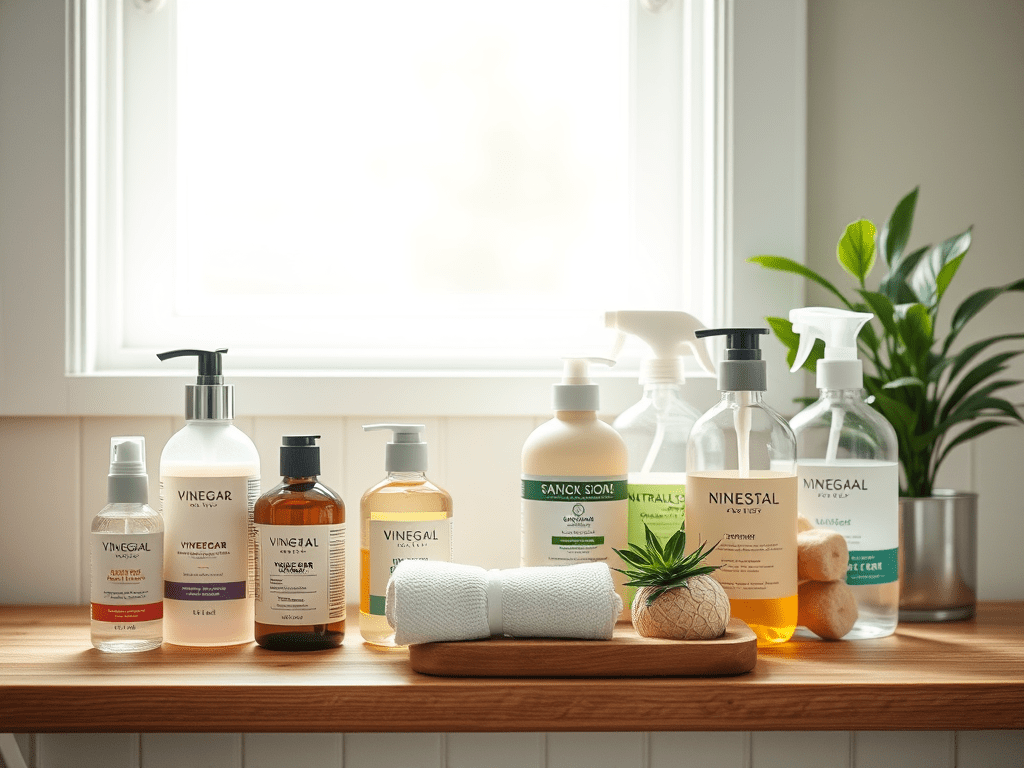
Endocrine‑disrupting chemicals (EDCs), found in personal care and cleaning products, can affect health. Read on for practical, evidence‑informed steps to lower everyday exposure. You will find links to free tools and given science based facts (in‑text reference citations).
Tip: You can use the quick “Swap Guide” at the end.
Clean Living for a Healthier You: Choosing Safer Personal Care and Cleaning Products
Every day, we use products on our skin, in our homes, and around our families without always knowing what’s inside them. Many personal care and cleaning products contain chemicals that may affect our health — including our hormones, lungs, skin, and even long-term disease risk. The good news? Making safer choices is possible, and small swaps can have a big impact.
Why Ingredients Matter
Research shows that certain chemicals found in common products may disrupt hormones, affect fertility, trigger asthma, or increase the risk of chronic diseases (Dodson et al., 2020). Personal care items — like lotions, deodorants, makeup, and shampoos — often contain phthalates, parabens, and synthetic fragrances that can accumulate in the body over time. Likewise, cleaning products frequently release volatile organic compounds (VOCs), which can irritate the lungs and impact indoor air quality (Zota et al., 2016).
These exposures may seem small, but studies suggest that cumulative daily contact matters. This is especially important for women, children, and anyone with existing health concerns.
Safer Personal Care Choices
One way to reduce exposure is by choosing products that are free from common endocrine disruptors and irritating chemicals. Look for products labeled:
- Fragrance-free (not just “unscented”)
- Paraben-free
- Phthalate-free
- SLS/SLES-free (avoid harsh detergents)
The Environmental Working Group’s (EWG) Skin Deep® Database is an excellent resource for checking safety ratings of products and ingredients. https://www.ewg.org
Rethinking Cleaning Products
Household cleaners, air fresheners, and detergents often contain chemicals linked to asthma, allergies, and hormone disruption. Whenever possible, choose products that are labeled:
- Free of synthetic fragrances
- Low-VOC or VOC-free
- Made with plant-based ingredients
For many households, simple swaps — like switching to fragrance-free laundry detergent or using vinegar-based cleaning sprays — can significantly lower chemical exposure without sacrificing effectiveness.
Practical Tips for a Healthier Home
- Read labels carefully: Look for full ingredient disclosure.
- Simplify your routine: Fewer products = fewer exposures.
- Use EWG’s Healthy Living App: Scan barcodes to check safety ratings instantly.
- Start small: Replacing just two or three products can make a measurable difference.
Key Takeaway
Reducing exposure to potentially harmful chemicals doesn’t have to be complicated or expensive. By choosing cleaner personal care and cleaning products, you can protect your hormones, lungs, and overall health — while also creating a safer environment for your family. Over time, these small, intentional changes add up.
For more guidance, explore the EWG Skin Deep® and Healthy Living databases to help make informed, confident choices.
References available upon request.
 Restorative Source