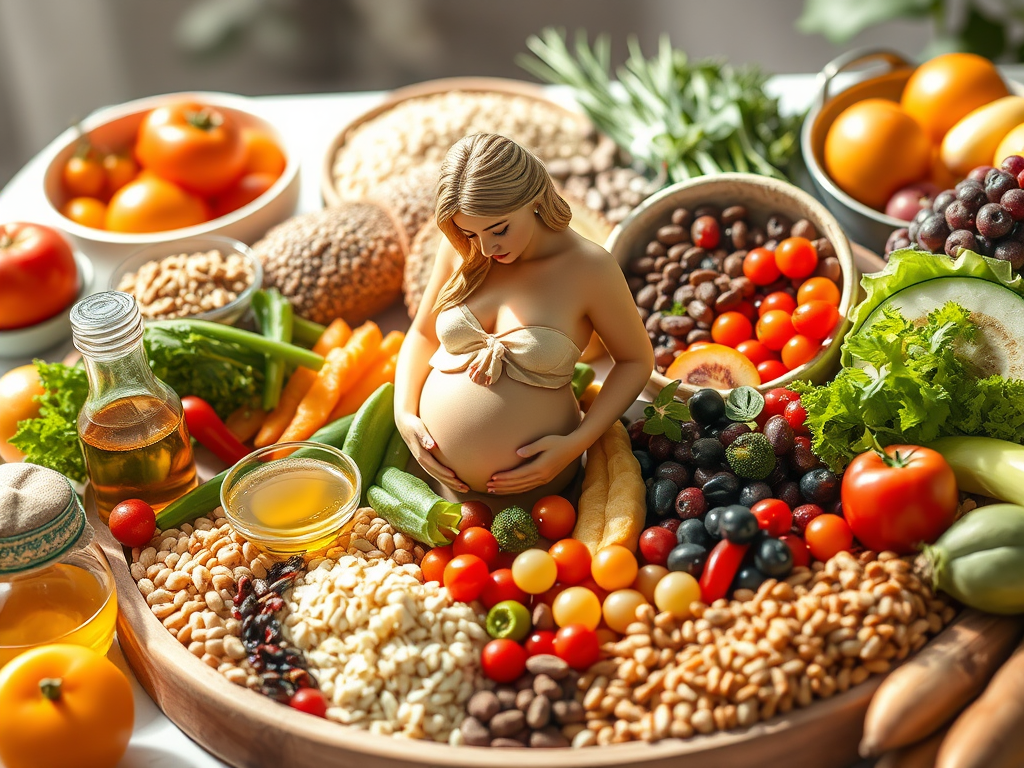
The ketogenic diet (KD) and its variations — including very-low-carbohydrate ketogenic diets (VLCKD), cyclical keto, and targeted keto — have gained popularity for rapid weight loss and improved metabolic markers. However, as highlighted in this blog, extended adherence to these restrictive plans can pose risks such as micronutrient deficiencies, hormonal disruption, increased LDL cholesterol, and gut microbiome imbalances, particularly in women. Fortunately, research supports several safer, evidence-based dietary strategies for sustainable long-term health.
Healthier Alternatives
Mediterranean Diet for Cardiometabolic Health
The Mediterranean diet is one of the most researched and sustainable alternatives to long-term ketogenic dieting. Rich in fruits, vegetables, whole grains, legumes, nuts, olive oil, and lean proteins like fish, this approach has consistently been associated with improved heart health, reduced inflammation, and better metabolic outcomes (Estruch et al., 2018). For women, in particular, its balanced macronutrient profile supports hormonal regulation, thyroid function, and menstrual health — areas that restrictive keto diets often disrupt.
The Mediterranean Diet: A Gold Standard for Longevity
Focus: High intake of vegetables, fruits, legumes, whole grains, olive oil, nuts, and seeds
Protein sources: Moderate fish, limited red meat, and plant-based proteins
Evidence: Linked to reduced cardiovascular risk, improved metabolic function, enhanced cognitive health, and longevity (Estruch et al., 2018).
Why it works: Unlike keto, the Mediterranean diet is nutrient-dense, naturally anti-inflammatory, and sustainable long-term without inducing hormonal or micronutrient imbalances.
Balanced Carb (Macronutrient) Approaches
For those who prefer keeping carbohydrates on the lower side, a balanced low-carb diet offers a safer, more flexible framework compared to strict ketosis. Rather than completely eliminating whole food groups, this approach focuses on prioritizing high-quality carbohydrates — like vegetables, legumes, and low-glycemic fruits — while incorporating adequate healthy fats and lean proteins. By avoiding extreme macronutrient restriction, it promotes stable energy, better gut health, and a reduced risk of long-term micronutrient deficiencies.
The Balanced Macronutrient Approach: Rather than extreme restriction, a moderate macronutrient balance can improve energy stability and prevent hormonal disruption:
Carbohydrates: 35–45% (focus on low-glycemic, high-fiber sources)
Protein: 20–30% (plant and lean animal sources)
Fat: 25–35% (emphasizing monounsaturated and omega-3-rich fats)
This structure aligns with American Heart Association and Academy of Nutrition and Dietetics guidelines, promoting flexibility and long-term adherence.
Plant-Forward, Nutrient-Dense Eating
Shifting toward a plant-forward diet emphasizes whole, minimally processed foods while reducing animal-based saturated fats. Diets rich in antioxidants, phytonutrients, and fiber have been shown to improve gut microbiome diversity and lower chronic disease risk (Satija & Hu, 2018). Plant-based approaches also tend to support better hormonal balance and liver detoxification pathways, making them especially beneficial for women who may experience cycle irregularities on long-term keto.
Plant-Forward, Nutrient-Dense Eating (DASH diet, flexitarian diet, whole food plant based, etc) provides metabolic benefits without extreme carb restriction:
- Supports stable blood glucose regulation
- Encourages gut microbiome diversity
- Promotes adequate fiber and phytonutrient intake
Studies show plant-forward diets can reduce Type 2 diabetes risk, improve cholesterol profiles, and support healthy estrogen metabolism in women (Kahleova et al., 2020).
Restoring Menstrual and Fertility Health
Emerging research shows that very-low-carb and ketogenic diets may disrupt normal reproductive hormone signaling in some women, potentially contributing to irregular cycles, ovulatory dysfunction, and reduced fertility markers (Westman et al., 2021; Chavarro et al., 2018). Unlike ketogenic diets, Mediterranean-style approach, balanced macronutrient plans, or plant forward diets provide steady energy, have been linked to improved menstrual regularity, better ovulatory outcomes, and enhanced fertility potential.
Nutrient Sufficiency and Female-Specific Considerations
Long-term restrictive diets like keto may negatively impact female hormonal health by lowering leptin, impairing thyroid function, and reducing estrogen production. Women following a balanced diet tend to have:
- Better menstrual cycle regulation
- Improved bone health due to sufficient calcium and vitamin D
- Enhanced gut and mental health via improved fiber diversity
Personalized Nutrition Strategies
No single diet works for everyone — genetics, hormones, activity levels, and underlying health conditions all play a role. Working with a qualified nutrition professional can help design an individualized approach that balances macronutrients, supports gut and metabolic health, and protects against nutrient deficiencies. Personalized plans are especially important for women, given how uniquely their hormonal and metabolic responses differ from men on restrictive diets like keto.
Practical Lifestyle Strategies
- Prioritize whole, minimally processed foods
- Monitor labs regularly: lipid panel, thyroid and other hormones, fasting insulin, and vitamin/mineral status
- Personalize nutrition using functional medicine principles
Final Thoughts
While ketogenic diets may offer short-term benefits, research increasingly supports sustainable, nutrient-dense dietary patterns like the Mediterranean and plant-forward approaches for long-term metabolic health, hormonal balance, and overall well-being. By focusing on whole foods, balanced macronutrients, and individual personalization, patients and clinicians can achieve results without the long-term risks associated with keto.
References
Estruch, R., et al. (2018). Primary prevention of cardiovascular disease with a Mediterranean diet supplemented with extra-virgin olive oil or nuts. New England Journal of Medicine, 378(25), e34.
Kahleova, H., et al. (2020). Vegetarian diets, insulin resistance, and biomarkers of inflammation: A review. Nutrients, 12(3), 1-17.
Willett, W., & Ludwig, D. (2020). The 2020 dietary guidelines: Ending the 50-year low-fat diet fad. New England Journal of Medicine, 382(4), 303–305.
American Heart Association. (2021). Dietary recommendations for heart health. Retrieved from https://www.heart.org/
Academy of Nutrition and Dietetics. (2022). Position statement on nutrition and chronic disease prevention.
Drabińska, N., Romaszko, J., & White, P. (2023). The effect of isocaloric, energy-restrictive, ketogenic diet on metabolism, inflammation, nutrition deficiencies and oxidative stress in women with overweight and obesity (KETO-MINOX): Study protocol. PLOS ONE, 18(5), e0285283. https://doi.org/10.1371/journal.pone.0285283
Ferrer, M., Mourikis, N., Davidson, E. E., Kleeman, S. O., Zaccaria, M., Habel, J., … & Janowitz, T. (2023). Ketogenic diet promotes tumor ferroptosis but induces relative corticosterone deficiency that accelerates cachexia. Cell Metabolism, 35(7), 1147–1162.e7. https://doi.org/10.1016/j.cmet.2023.05.008
Georgiev, A., Chervenkov, L., Koleva, D., & Anastasova, V. (2023). Obesity control and liver health in breast cancer: Normalized hepatic elasticity after ketogenic diet. Heliyon, 9(10), e20449. https://doi.org/10.1016/j.heliyon.2023.e20449
Magagnini, M. C., Condorelli, R. A., Cimino, L., Cannarella, R., Aversa, A., Calogero, A. E., & La Vignera, S. (2022). Does the ketogenic diet improve the quality of ovarian function in obese women? Nutrients, 14(19), 4147. https://doi.org/10.3390/nu14194147
Marshall, N. E., Abrams, B., Barbour, L. A., Catalano, P., Christian, P., Friedman, J. E., … & Thornburg, K. L. (2022). The importance of nutrition in pregnancy and lactation: lifelong consequences. American Journal of Obstetrics and Gynecology, 226(5), 607–632. https://doi.org/10.1016/j.ajog.2021.12.035
Pandurevic, S., Mancini, I., Mitselman, D., Magagnoli, M., Teglia, R., Fazzeri, R., … & Gambineri, A. (2023). Efficacy of very low-calorie ketogenic diet with the Pronokal® method in obese women with polycystic ovary syndrome: A 16-week randomized controlled trial. Endocrine Connections, 12(7), e220536. https://doi.org/10.1530/EC-22-0536
Schutz, Y., Montani, J. P., & Dulloo, A. G. (2021). Low-carbohydrate ketogenic diets in body weight control: A recurrent plaguing issue of fad diets? Obesity Reviews, 22(Suppl 2), e13195. https://doi.org/10.1111/obr.13195
Tahreem, A., Rakha, A., Rabail, R., Nazir, A., Socol, C. T., Maerescu, C. M., & Aadil, R. M. (2022). Fad diets: Facts and fiction. Frontiers in Nutrition, 9, 960922. https://doi.org/10.3389/fnut.2022.960922
 Restorative Source
One thought on “Safer Alternatives to Ketogenic Diets for Women”