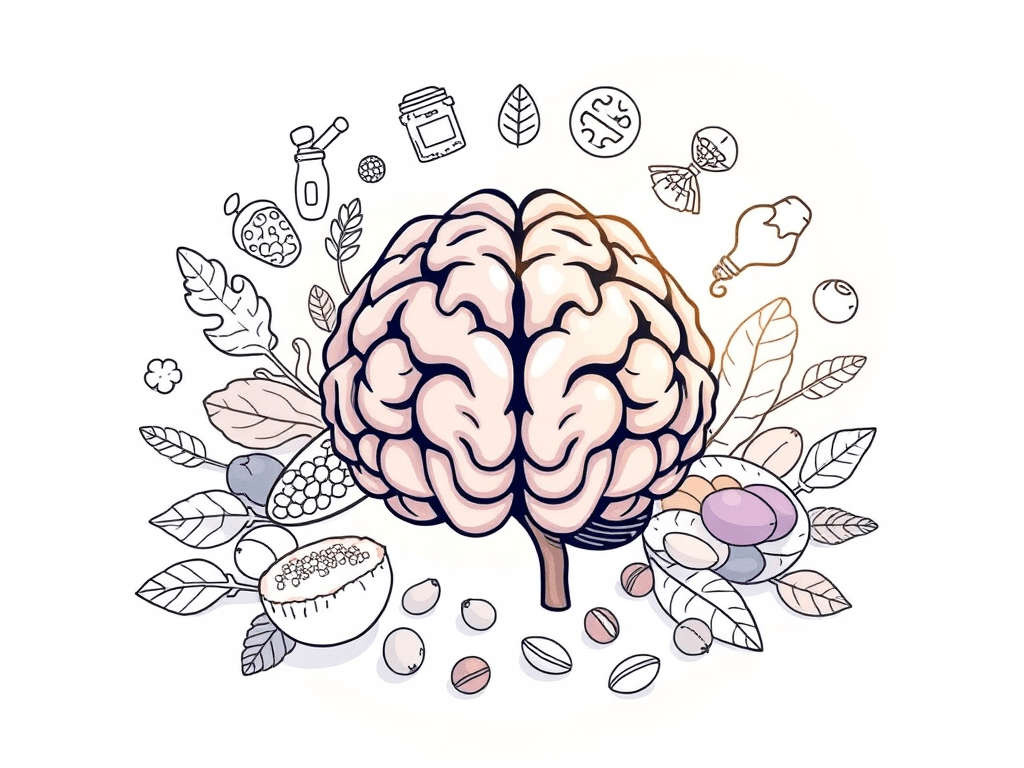
Living with a seizure disorder can be challenging, particularly when medications cause difficult side effects or when seizures persist despite treatment. While pharmaceuticals are often necessary, many patients and caregivers are interested in complementary lifestyle and dietary approaches that may support brain health and reduce seizure risk. Research suggests that nutrition, nutraceuticals, and lifestyle changes can influence the seizure threshold—the brain’s resistance to experiencing seizures—without the burden of drug-related side effects.
What is the “Seizure Threshold”?
The seizure threshold refers to the brain’s sensitivity to developing seizures. A higher threshold means the brain is more resistant, while a lower threshold means seizures are more easily triggered. Many factors—including genetics, stress, sleep, diet, toxins, and medications—can raise or lower this threshold (Kim & Cho, 2019).
How Can Nutrition Influence the Seizure Threshold?
Nutrients and dietary interventions can impact the brain’s excitatory and inhibitory balance. For example, certain amino acids, vitamins, minerals, and plant compounds modulate neurotransmitters (like GABA and glutamate), support mitochondrial function, and reduce oxidative stress—all of which may influence seizure risk (Kim & Cho, 2019). In addition, avoiding dietary triggers (e.g., artificial sweeteners, nutrient deficiencies) may prevent seizure precipitation (Shaher et al., 2023).
Three Nutraceutical and Lifestyle Approaches
1. Cannabidiol (CBD) and Plant Compounds
Cannabidiol has demonstrated anti-seizure effects by reducing neuronal hyperexcitability and protecting brain cells from oxidative injury (Devinsky et al., 2024; Golub & Reddy, 2021). While CBD is most studied, other phytochemicals (like flavonoids and terpenes in cannabis and plants) may also help modulate neuronal excitability (Schouten et al., 2024). Importantly, patients should consult providers, as CBD can interact with medications (Williams & Hill, 2020).
2. Micronutrient Support (Magnesium, Riboflavin, Vitamin D, Calcium)
Micronutrients play key roles in brain excitability. Low magnesium and calcium can lower seizure thresholds, while deficiencies in vitamin D and riboflavin are associated with seizure activity (Hall et al., 2022; Manappallil et al., 2020; Cali et al., 2015). Correcting deficiencies and ensuring optimal nutrient intake may stabilize neuronal firing (Adams et al., 2022).
3. Exercise and Lifestyle Balance
Exercise has been shown to improve seizure outcomes, likely through stress reduction, mitochondrial support, and modulation of brain plasticity (Arida, 2021). Balanced sleep, stress management, and avoiding stimulants or seizure triggers (such as aspartame in some individuals) may further support stability (Shaher et al., 2023; Eccleston et al., 2022).
Key Nutrients That May Support Seizure Management
- Magnesium: Supports NMDA receptor regulation and calms neuronal hyperexcitability.
- Riboflavin (B2): Supports mitochondrial energy metabolism, especially in rare transporter deficiencies linked with seizures (Cali et al., 2015).
- Vitamin D and Calcium: Deficiency linked to hypocalcemic seizures (Manappallil et al., 2020).
- Cannabidiol (CBD): Plant-derived support for refractory seizures, with growing clinical evidence (Devinsky et al., 2024).
- Antioxidants (Vitamin C, flavonoids): Reduce oxidative stress and neuronal injury, speculated to lower seizure triggers (Kim & Cho, 2019).
Practical Takeaways for Patients and Caregivers
- Work with healthcare providers to identify nutrient deficiencies and supplement as appropriate.
- Explore safe nutraceuticals like CBD under medical supervision.
- Incorporate exercise and stress management practices as non-pharmacological tools.
- Avoid potential dietary triggers (artificial sweeteners, nutritional imbalances).
- Remember: lifestyle and nutrition can complement but should not replace prescribed medical care.
References
Adams, J. B., Kirby, J., Audhya, T., Whiteley, P., & Bain, J. (2022). Vitamin/mineral/micronutrient supplement for autism spectrum disorders: a research survey. BMC pediatrics, 22(1), 590. https://doi.org/10.1186/s12887-022-03628-0
Arida R. M. (2021). Physical exercise and seizure activity. Biochimica et biophysica acta. Molecular basis of disease, 1867(1), 165979. https://doi.org/10.1016/j.bbadis.2020.165979
Cali, E., Dominik, N., Manole, A., & Houlden, H. (2015). Riboflavin Transporter Deficiency. In M. P. Adam (Eds.) et. al., GeneReviews®. University of Washington, Seattle.
Devinsky, O., Jones, N. A., Cunningham, M. O., Jayasekera, B. A. P., Devore, S., & Whalley, B. J. (2024). Cannabinoid treatments in epilepsy and seizure disorders. Physiological reviews, 104(2), 591–649. https://doi.org/10.1152/physrev.00049.2021
Eccleston, C. A., Goldenholz, S. R., & Goldenholz, D. M. (2022). Exercise, medication adherence, and the menstrual cycle: How much do these change seizure risk?. Epilepsy research, 188, 107052. https://doi.org/10.1016/j.eplepsyres.2022.107052
Golub, V., & Reddy, D. S. (2021). Cannabidiol Therapy for Refractory Epilepsy and Seizure Disorders. Advances in experimental medicine and biology, 1264, 93–110. https://doi.org/10.1007/978-3-030-57369-0_7
Hall, A., Bin Farooq, T., & Alcaraz, R., Jr (2022). Hypocalcemia-Induced Reversible Psychosis. Cureus, 14(1), e20874. https://doi.org/10.7759/cureus.20874
Kim, J. E., & Cho, K. O. (2019). Functional Nutrients for Epilepsy. Nutrients, 11(6), 1309. https://doi.org/10.3390/nu11061309
Manappallil, R. G., Krishnan, R., Veetil, P. P., Nambiar, H., Karadan, U., Anil, R., & Josephine, B. (2020). Hypocalcemic Seizure Due to Vitamin D Deficiency. Indian journal of critical care medicine, 24(9), 882–884. https://doi.org/10.5005/jp-journals-10071-23586
Schouten, M., Dalle, S., Mantini, D., & Koppo, K. (2024). Cannabidiol and brain function: current knowledge and future perspectives. Frontiers in pharmacology, 14, 1328885. https://doi.org/10.3389/fphar.2023.1328885
Shaher, S. A. A., Mihailescu, D. F., & Amuzescu, B. (2023). Aspartame Safety as a Food Sweetener and Related Health Hazards. Nutrients, 15(16), 3627. https://doi.org/10.3390/nu15163627
Williams, A. R., & Hill, K. P. (2020). Care of the Patient Using Cannabis. Annals of internal medicine, 173(9), ITC65–ITC80. https://doi.org/10.7326/AITC202011030
 Restorative Source